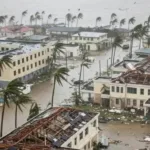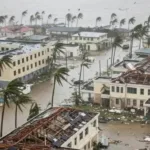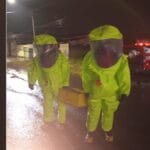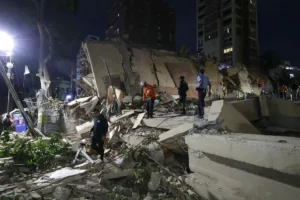




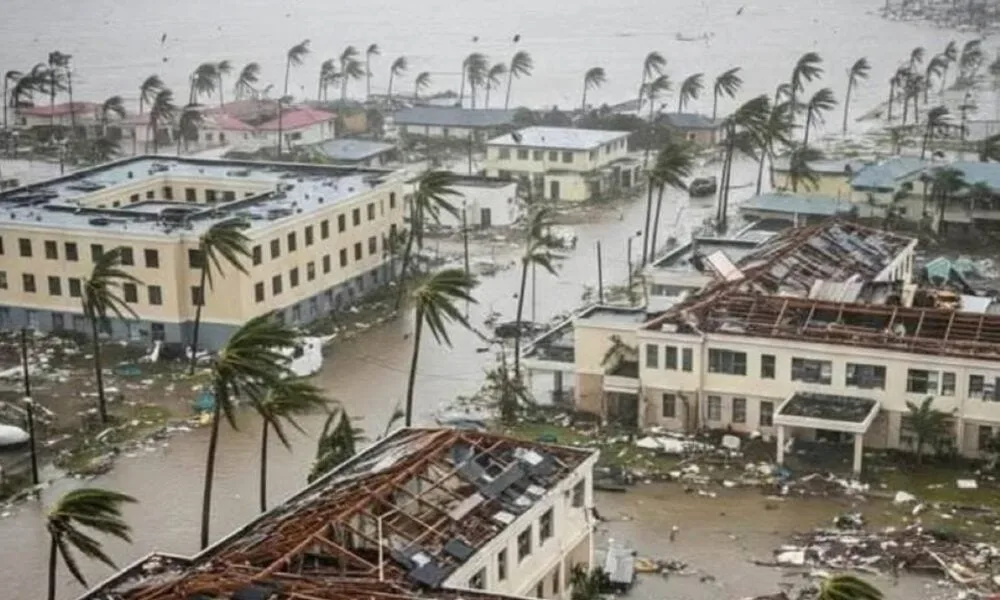

Furação Melissa – Foto: X
Hurricane Melissa struck Jamaica on Tuesday afternoon (28) as a Category 5 cyclone, with sustained winds of 298 km/h, near New Hope, in the southwest of the island. The phenomenon, one of the most intense ever recorded in the Atlantic basin, caused at least three deaths on the site, raising the total to seven in the Caribbean, including three in Haiti and one in the Dominican Republic. Jamaican authorities activated shelters and alerts for flooding and landslides, while the U.S. National Hurricane Center (NHC) forecasted extensive damage to infrastructure.
The landfall occurred around 1 p.m. (local time), with the hurricane’s center moving slowly northeast at 13 km/h. This reduced speed aggravated the impacts, with gusts above 322 km/h in mountainous areas. The NHC classified the event as historic, surpassing Hurricane Gilbert in 1988, which recorded 209 km/h in Jamaica.
About 25,000 tourists were on the island at the time, according to Tourism Minister Edmund Bartlett. Emergency teams coordinated evacuations and distribution of supplies, prioritizing coastal regions.
- Accumulated rainfall may exceed 760 mm in elevated areas, causing landslides.
- Storm surge of up to 4 meters affects the south coast.
- Damaging winds persist until night in inland areas.
Current hurricane path
Hurricane Melissa weakened to Category 4 after crossing Jamaica, with winds of 233 km/h at 5 p.m. ET, positioned 24 km east of Montego Bay. The center is emerging from the island’s north coast into the Caribbean Sea, heading toward southeast Cuba, but dangers remain for Jamaicans.
Authorities warn of continued damaging winds in mountainous regions until late afternoon. Forecasts indicate an additional 150 to 300 mm of rain, raising totals to up to 762 mm in some points. NHC Director Michael Brennan recommended that residents stay in shelters overnight.
The northeast movement slightly accelerates, bringing the hurricane closer to southeast Cuba for Tuesday night or early Wednesday. This phase maintains major intensity, with alerts for Santiago de Cuba and Guantánamo.
Alerts in Cuba
Cuban President Miguel Díaz-Canel called on the population to take shelter amid Melissa’s approach, described as one of the strongest hurricanes to cross the territory. The predicted landfall occurs between Granma and Holguín, with winds of 225 to 233 km/h.
Air, land, and sea transportation suspended in the east of the island, according to the U.S. Embassy in Havana. Up to 51 cm of rain expected, with storm surge of 2.4 to 3.6 meters on the southeast coast. Authorities emphasize solidarity and compliance with measures to minimize human and material losses.
Airports in the west remain operational, but travel occurs at one’s own risk. The NHC forecasts hurricane conditions in southeast Cuba until Wednesday morning.
The hurricane proceeds to the central Bahamas on Wednesday, possibly as Category 3 or 2, with hurricane-force winds on Long Island and Crooked Island. Swells of 1.5 to 2.4 meters affect Hispaniola, Jamaica, and the Cayman Islands in the coming days, generating dangerous rip currents.
Initial damage in Jamaica
Flash flooding took over streets in Kingston and Montego Bay shortly after landfall. Internet connectivity dropped to 42% of normal levels, according to the NetBlocks group, hindering communications. Fallen trees blocked roads, and power poles were downed in several parishes.
The Black River hospital suffered severe damage, interrupting medical services on the southwest coast. Health authorities in the southeast region warn of crocodiles displaced by floods in rivers and swamps of Kingston, St. Andrew, St. Catherine, and St. Thomas. Residents should avoid flooded waters and report sightings.
About 881 shelters opened, but only a thousand people used them initially, concerning authorities. The tourism sector, vital to the economy, activated the Emergency Operations Center to protect visitors and locals.
Official support measures
The Jamaican government launched the site supportjamaica.gov.jm to report incidents such as flooding and structural damage, as well as to channel donations. Information Minister Dana Morris Dixon encouraged the use of the official platform to avoid scams.
Teams with more than 50 generators positioned to restore power post-storm. Water and Environment Minister Matthew Samuda advised conservation of potable water amid widespread cuts.
Volunteers prepare boxes with essential goods in Doral, Florida, via Global Empowerment Mission, for shipment to affected communities. Cooperation with the U.S. government discusses recovery assistance.
Forecasts for the Bahamas
The NHC issued a hurricane warning for the southeast and central Bahamas on Wednesday, with Melissa 322 km from Nassau. Rainfall of 250 mm and storm surge of 1.5 to 2.4 meters forecasted, isolating communities.
Long Island and Crooked Island face the strongest winds, with the hurricane accelerating northeast. Swells reach the Turks and Caicos, increasing coastal erosion risks. Preparations include school closures and evacuations in low-lying areas.
The hurricane may reach Bermuda Thursday night as tropical, but with remnant winds. The path moves threats away from mainland Florida.
History of intensification
Melissa formed as a tropical depression on October 21 north of Venezuela, evolving into a named storm. Rapid intensification over the weekend elevated it to Category 4 in the Caribbean, reaching Category 5 on Monday with 257 km/h.
The slow movement, only 8 km/h, allowed moisture accumulation, aggravating rainfall. NOAA hurricane hunter planes collected data, confirming pressure of 892 mb at landfall, tying Atlantic records. This 34-hour phase at Category 5 is unusual in the 2025 season, which has already seen three maximum cyclones.
The Atlantic basin records Melissa as the strongest globally this year, surpassing Typhoon Ragasa in the Pacific. Jamaican records since 1851 do not exceed such intensity in direct landfall.
Impacts in Haiti and Dominican Republic
Melissa’s rains caused three deaths from landslides and fallen trees in Haiti over the weekend, destroying 15 hectares of corn in regions with acute hunger affecting 5.7 million people. Haitian authorities reported reluctance in evacuations, with 200 homes damaged.
In the Dominican Republic, one death and one missing occurred, with over 750 residences affected and 3,760 displaced. Flooding isolated 48 communities, cutting water for half a million. Schools and offices closed in nine provinces under red alert.
The hurricane added up to 300 mm of rain in Hispaniola, exacerbating vulnerabilities in mountainous areas. World Food Programme teams positioned limited supplies, prioritizing regions with emergency hunger.