


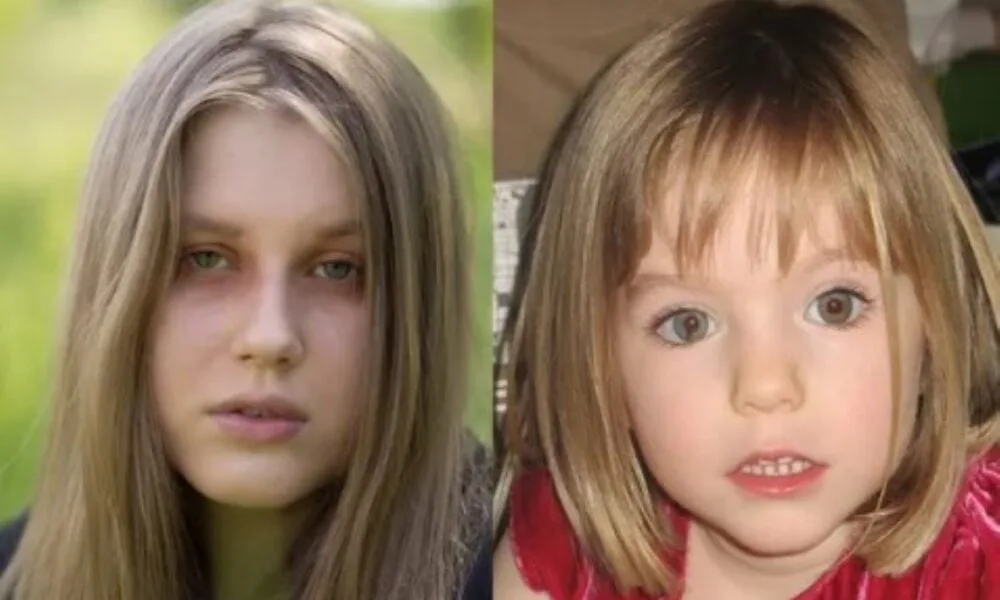

Julia Wandelt e Madeleine McCann – Foto: Reprodução
Julia Wandelt, a 24-year-old Polish woman, is on trial at Leicester Crown Court, England, for harassing the McCann family for over two years. She claimed to be Madeleine McCann, the British girl who vanished in 2007 at age three from a resort in Algarve, Portugal, while her parents dined nearby. DNA tests presented in court confirm no biological link to Kate and Gerry McCann, Madeleine’s parents.
The case emerged in June 2022 when Wandelt publicly claimed to have childhood memories matching Madeleine’s disappearance. She sent hundreds of messages, calls, and letters to the family, including uninvited visits to their Leicestershire home.
Prosecutors describe her actions as a harassment campaign causing serious alarm and distress to the McCanns and their 20-year-old twins, Sean and Amelie. Wandelt denies four stalking charges, spanning June 2022 to February 2025.
Background of the accused and initial claims
Julia Wandelt, from Lubin, Poland, began her claims on social media, citing physical similarities and alleged memories of Madeleine’s 2007 disappearance. She suggested she was abducted and taken to Poland, questioning her identity due to childhood gaps.
She gained online supporters, including Karen Spragg, 61, a co-defendant accused of aiding the harassment from May 2024 to February 2025. Both deny the charges, but evidence includes manipulated messages and persistent contact.
Wandelt appeared on shows like Dr. Phil in 2023, amplifying her claims. She shared unofficial DNA tests suggesting up to 70% compatibility, but Polish and British authorities dismissed their validity.

Scientific evidence dismantles the narrative
DNA tests by British police, comparing Wandelt’s samples to Madeleine’s genetic material from her pillow post-disappearance, show no relation. Scientist Rosalyn Hammond testified that Wandelt’s genetic profile indicates Polish, Lithuanian, and Romanian heritage, unrelated to the McCanns.
Chief Inspector Mark Cranwell of Operation Grange, the official Madeleine investigation, authorized the test in April 2025, against protocol, to halt further contact. He personally informed Wandelt of the negative result.
- Madeleine’s DNA samples: Collected in 2007, preserved for future analysis.
- Wandelt’s profile: Confirms her birth in 2001, two years after Madeleine.
- Additional comparisons: Eyes, teeth, and voice analyzed, showing no matches.
Prosecutors note Wandelt is nearly two years older than Madeleine would be today, at 22, and manipulated images to suggest similarities.
Documented harassment actions
The McCanns received over 200 contacts from Wandelt between January and December 2024, including WhatsApp messages to Kate and Gerry and Instagram messages to their children. She left voicemails claiming to be their lost daughter and sent letters describing supposed family interactions.
On May 2 and December 7, 2024, Wandelt visited the McCanns’ Leicestershire home, demanding joint DNA tests. Kate McCann testified she kept the same phone number since before 2007, enabling call tracking.
Amelie McCann reported “sinister” messages with altered photos, while Sean described the emotional toll. Prosecutors presented call logs and screenshots as undeniable evidence.
Gerry McCann expressed frustration over the persistence, noting the family’s 18-year trauma. The visits coincided with Madeleine’s annual memorial dates, heightening distress.
History of prior claims
Wandelt previously claimed to be other missing children, including European abduction cases, before focusing on Madeleine. Investigators found she alleged being a trafficking victim in 2022, without supporting evidence.
Polish authorities verified her birth records and biological family in 2023. Despite initial apologies after negative DNA results in 2023, she resumed claims in 2024 with unverified “tests.”
- Prior cases: Claims of being a missing Polish child in 2021, debunked by DNA.
- Alleged motive: Identity search, citing selective amnesia, but no medical diagnosis.
- Online support: A 2023 crowdfunding campaign funded UK trips.
Forensic psychologists, consulted by prosecutors, noted patterns of emotional manipulation in similar profiles, without public diagnoses.
Impact on the original investigation
Madeleine’s May 3, 2007 disappearance remains unsolved, with Operation Grange costing millions in searches. The main suspect, Christian Brückner, a 47-year-old German, serves time for unrelated crimes but faces no formal charges in this case.
The McCanns maintain a website with appeals for information, logging over 13 false claims since 2007. Cranwell stressed that tests like Wandelt’s are rare, reserved for plausible leads to conserve resources.
Kate McCann, in recent testimony, offered a family DNA test to end speculation, though early photos already ruled out similarities. The trial continues with Metropolitan Police witnesses.
Court statements and developments
On October 14, 2025, Wandelt reacted emotionally to the DNA verdict, questioning procedures. The judge allowed protective screens for McCann witnesses, standard in sensitive cases.
Karen Spragg, accused of encouraging visits and messages, denies intent to harm. Both remain in custody, with the jury deliberating on “serious alarm” caused. Prosecutors seek sentences with permanent restraining orders.
The case underscores challenges in long-term investigations, with Operation Grange processing over 50,000 tips by 2025. The McCanns thanked public support, focusing on the real search for Madeleine.