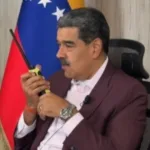

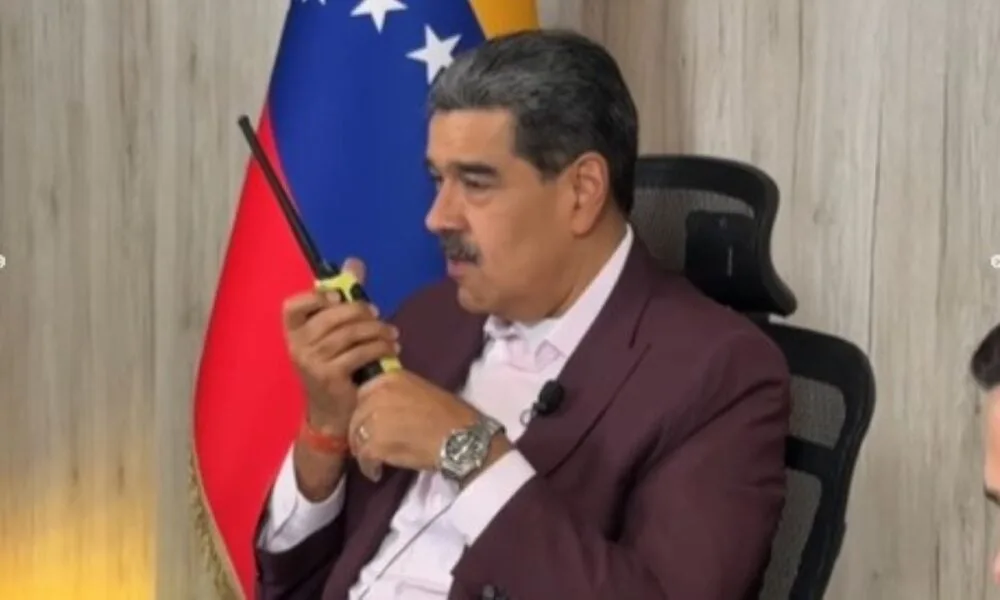
The Venezuelan government positioned regular troops near the Caribbean coast on Friday (17), in response to the advance of U.S. military vessels in the region. The move comes amid an anti-drug operation launched by the U.S. in August, which Caracas interprets as a threat of invasion. Venezuelan President Nicolás Maduro ordered civilian enlistment for rifle-handling training to strengthen national defense.
Venezuelan authorities claim the presence of U.S. warships and aircraft aims at regime change, targeting the country’s oil resources. Interior Minister Diosdado Cabello stated that the state is transferring weapons to the people for constitutional protection.
- Troops positioned at strategic points along the northeast coast.
- Call for reservists and militias for ongoing exercises.
- Training of civilians in urban and rural communities.
The escalation began with the deployment of eight U.S. warships, including destroyers and an attack submarine, carrying over 4,500 troops. Analysts note the force is insufficient for a land invasion but serves as diplomatic pressure.
Developments in the U.S. Caribbean operation
U.S. vessels conducted strikes on boats suspected of drug trafficking, resulting in 21 deaths since September. President Donald Trump links these actions to cartels operating from Venezuelan territory, labeling Maduro a leader of terrorist organizations.
Caracas denounced the bombings as executions at sea and requested UN Security Council intervention to halt international crimes. The U.S. government doubled the reward for Maduro’s capture to $50 million, intensifying economic sanctions.
Venezuela conducted military aircraft flyovers over U.S. ships in international waters, an act deemed provocative by the Pentagon.
Structure of Venezuelan forces
The Bolivarian National Armed Forces comprise over 300,000 active soldiers, equipped with Russian and Iranian technology. Maduro announced naval exercises on La Orchila, a strategic island 65 km off the coast, involving helicopters and drones.
Defense Minister Vladimir Padrino López detailed the use of Rapid Reaction Units for border patrols, particularly with Colombia. Reservists are trained in barracks to operate rifles and tanks.
Mutual accusations and regional context
The Trump administration authorized military power against cartels designated as terrorists, including the Tren de Aragua, linked to Maduro by the U.S. Washington alleges the regime facilitates cocaine trafficking to fund internal abuses.
Venezuela denies the allegations and accuses the U.S. of fabricating conflicts to justify interventions. Regional leaders, like Colombian President Gustavo Petro, warned of risks to Latin American stability.
Caribbean nations, such as Trinidad and Tobago, support anti-drug patrols, but Barbados requested prior notifications for operations.
Civilian training and Bolivarian militias
Maduro expanded the Bolivarian Militias, a civilian armed corps, with voluntary enlistment since September. Thousands of participants receive training in communities, focusing on territorial defense.
The program includes oversight of state weapons, such as AK-103 rifles, distributed per the Venezuelan Constitution. Cabello emphasized that the state retains the arms monopoly but extends it to the people in siege scenarios.
Exercises simulate responses to maritime incursions, emphasizing coordination between regulars and civilians.
Coastal troop positioning
Venezuelan troops occupy positions in states like Sucre and Monagas, monitoring maritime routes. Bolivarian Navy vessels patrol the southern Caribbean, complementing intelligence radars.
The Pentagon reported 10 F-35 fighters in Puerto Rico to intercept unauthorized flights. Despite the rhetoric, experts assess an open confrontation as unlikely due to asymmetric capabilities.
Initial diplomatic reactions
Venezuela sent diplomatic notes to allies like Russia and Iran, requesting support in international forums. Foreign Minister Yván Gil expressed concern over potential nuclear weapons on U.S. submarines.
Latin American governments are divided: Mexico condemned sovereignty violations, while Guyana endorsed anti-trafficking actions. The UN scheduled debates on the issue for November.
The mobilization raises logistical costs for both sides, with the U.S. spending millions on fuel and naval maintenance.
Ongoing naval and air exercises
Venezuela began maneuvers with 15,000 soldiers in September, testing coastal missile systems. U.S. P-8 patrol aircraft collect data on reconnaissance flights, with no confirmed territorial violations.
The USS Iwo Jima, a U.S. assault ship, carries troops for simulated landings. Maduro ordered a permanent alert status at air bases.
These activities occur amid U.S. internal elections, influencing Trump’s agenda.