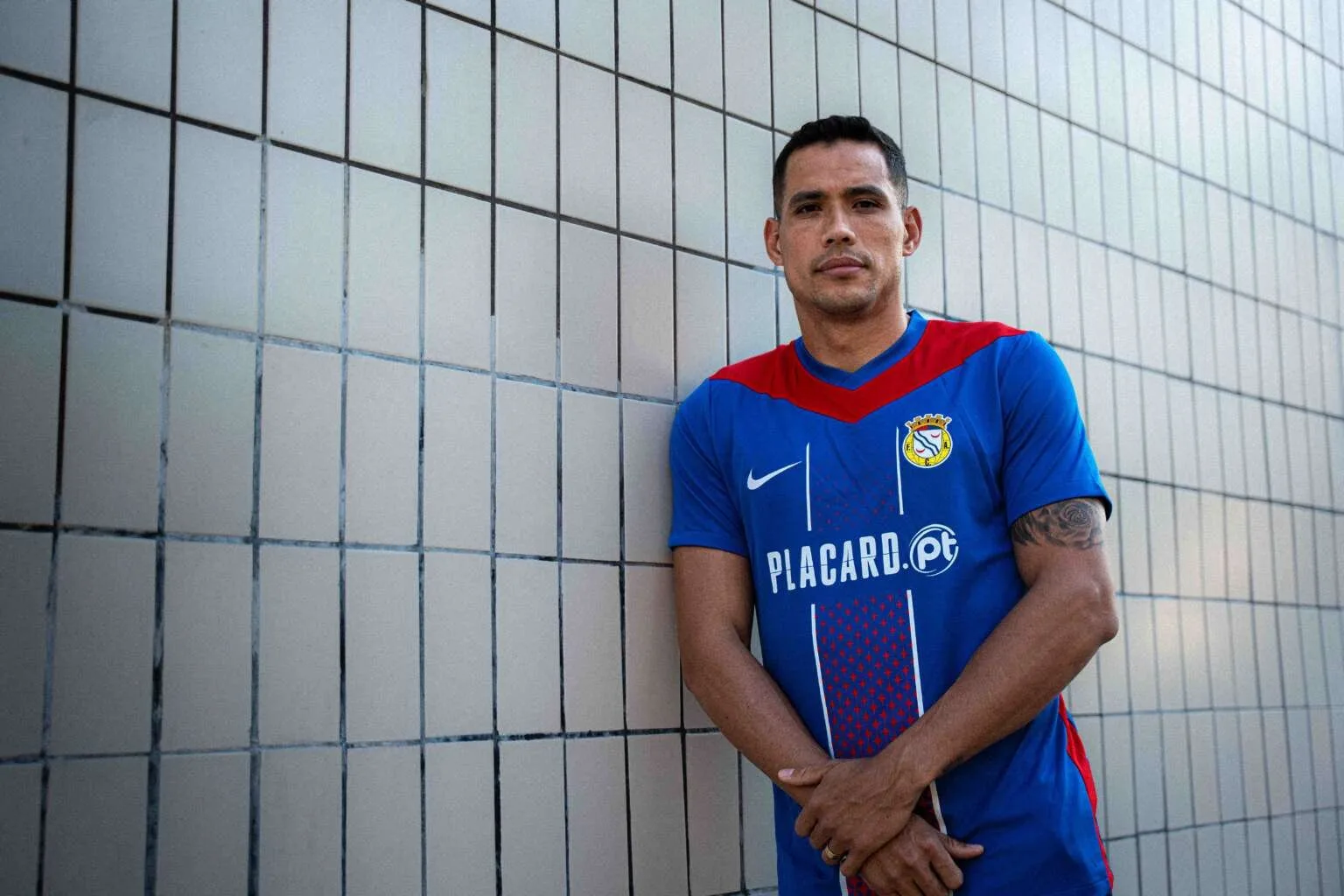



Vera Kravtsova — Foto: Reprodução
Vera Kravtsova, a 26-year-old model and singer from Belarus, was lured by a fake job offer in Bangkok, Thailand, in September 2025. Instead of a modeling opportunity, she was taken to Myanmar and subjected to sexual slavery by an international criminal gang. Local authorities confirmed her organs were removed for illegal trade, with her body cremated without repatriation. Her family was informed weeks later, lacking funds to retrieve her remains.
The gang operated in unstable border regions, using job promises to trap foreigners. Reports indicate Vera surrendered her passport and phone upon arrival, cutting her off from external contact. The case exposes a network combining extortion and violence, affecting hundreds of victims annually in Asia.
Initial lure and transfer to Myanmar
Vera traveled from Minsk to Bangkok, motivated by a job ad on social media. The offer promised contracts for runway shows and shoots, aligned with her experience on Belarus’ The Voice.
Upon arrival, agents quickly moved her to the Myanmar border, controlled by local militias. There, she was confined in a criminal operation center, where exploitation began immediately.
Operations of Chinese gangs in the region
Criminal networks, mostly Chinese, work with armed groups in Myanmar to run fraud and slavery centers.
These sites house up to thousands of people forced into online financial scams, with harsh punishments for failures.
- Victims surrender personal documents upon arrival, preventing escape.
- Sexual exploitation serves as a control and profit tool.
- When revenue drops, individuals are discarded, including organ removal.
Estimates suggest 100,000 people live in similar conditions across provinces. Thai authorities monitor borders, but Myanmar’s internal conflict hinders coordinated action.
Sexual exploitation as a control tool
Vera was tasked with attracting and extorting wealthy clients, using her appearance as bait. Traffickers forced her into total submission to “masters.”
This practice maximizes profits, with victims trained to simulate relationships and extract high sums. When her revenue fell, her situation worsened rapidly.
Confinement included communication bans, with strict daily “service” schedules. Rescued witnesses describe constant surveillance and physical threats.
Scale of organ trafficking at the border
Illegal organ trade thrives in lawless areas like Myanmar’s Shan State. Networks connect forced donors to overseas buyers via maritime routes.
Wealthy patients pay fortunes for quick transplants, fueling the cycle. In 2024, reports noted a 20% rise in detected cases in Southeast Asia.
International authorities estimate billions in annual profits for these operations. Victims like Vera are chosen for apparent health, with procedures done in clandestine clinics.
Similar cases involve Eastern European women lured by tourism or entertainment jobs. The UN recorded over 50,000 global human trafficking reports in 2025, focusing on organ removal.
Parallel case of successful rescue
Dashinima Ochirnimayeva, a 24-year-old Russian model, faced a similar fate in 2025. Recruited for a Bangkok campaign, she was taken to Myanmar and prepped for organ sale.
Russian diplomats intervened after family alerts, rescuing her from a border complex. Her testimony revealed recruitment routes via job apps.
The case led to a joint embassy operation, arresting three Thai intermediaries. Ochirnimayeva returned to Siberia and aids investigations.
Preventive measures for foreign travelers
Embassies recommend verifying employment agencies before travel.
- Check official immigration sites for risk alerts.
- Avoid offers without formal contracts or in-person interviews.
- Keep emergency contacts updated in secure apps.
Asian governments increased border patrols in 2025, with airport agent training. The UN runs annual campaigns against fake job scams.
Local NGOs offer anonymous tip lines for victims in transit. Thailand-Myanmar cooperation aims to dismantle centers, but logistical challenges remain.
Ongoing investigations and reports
Belarusian authorities opened an inquiry after family contact. Interpol coordinates searches for gang leaders, focusing on financial transfers.
In Brazil, recent cases of citizens in similar situations prompted Itamaraty alerts. Two São Paulo residents rescued in February 2025 reported similar tortures in scam centers.
Brazil’s Federal Police monitor social media recruitment routes, with arrests in São Paulo tied to Chinese mafias. International efforts aim to track organ buyers to deter the market.