


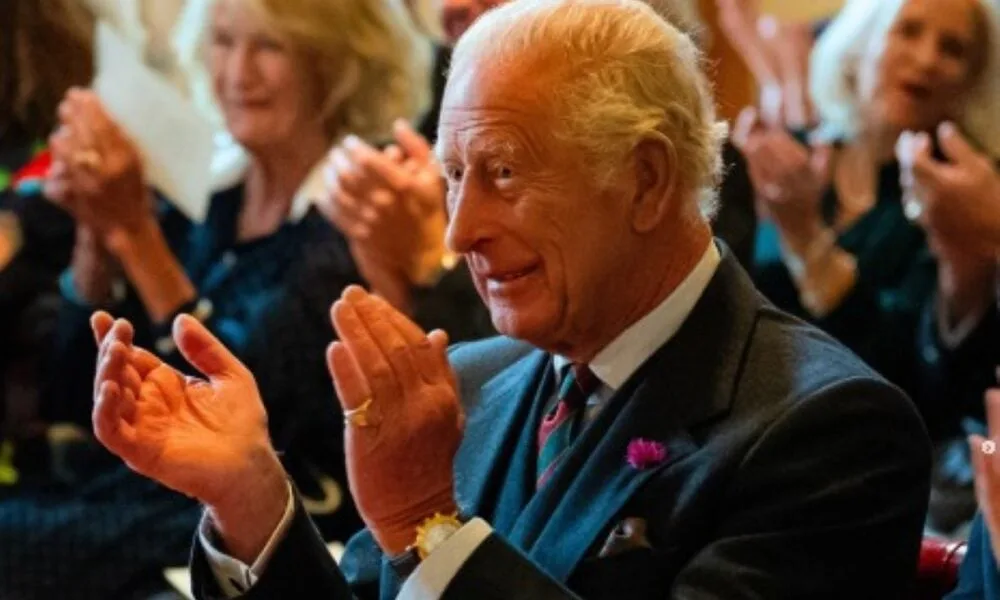
King Charles III, aged 76, faces a worsening cancer condition diagnosed in February 2024, drastically reducing public engagements this year. The monarch, who ascended the throne in September 2022 after Elizabeth II’s death, limited himself to fewer than 50 events in 2025, compared to over 200 the previous year. This health issue accelerates the succession to Prince William, 42, who takes on most royal duties. Buckingham Palace confirms ongoing treatment without disclosing the cancer type.
During a hospital visit in Smethwick in early September, Charles III spoke with cancer patients, describing his condition as a common challenge in early detection. The heir apparent, William, actively participates in international summits and domestic events, signaling a gradual transition. Queen Camilla accompanies the king in regular consultations, while the royal family adjusts the schedule to prioritize health.
The succession process follows ancient constitutional rules, regulated by descent and parliamentary statutes, ensuring immediate throne continuity.
- Charles’ 2025 engagements: under 50, focused on essential openings.
- William’s increased duties: over 150 events, including 10 overseas trips.
- William and Kate’s popularity: 75% among Britons, compared to 50% for the king.

Ongoing medical treatment
Charles III’s treatment involves regular therapies, adjusted by oncologists, since the diagnosis following a prostate procedure. In March, temporary side effects led to a brief hospitalization at the London Clinic, but the monarch resumed administrative work at Clarence House.
Sources indicate the condition is manageable, with weekly consultations and pauses in evening events. The king plans limited Commonwealth visits, subject to medical approval, maintaining optimism in public messages.
Defined line of succession
British succession occurs automatically upon the monarch’s death or abdication, without interregnum, per the Constitution. William, as the eldest son, takes the throne directly, followed by his children George, Charlotte, and Louis. Prince Harry holds the fifth position, despite his distance from the royal family.
This structure, amended in 2013 for gender equality, includes State counselors for duties during incapacities. In 2025, the focus is on preparing William to balance tradition and modernity in the Crown.
Preparations for William
William intensifies governance training, managing royal institutions and environmental causes, with 80% of his father’s duties transferred. His schedule includes UN summit representations and Commonwealth visits, where republican debates grow in six countries.
Kate Middleton, recovered from her own cancer in 2024, supports with 60 planned events, focusing on early childhood education benefiting 2 million children. The couple, with 20% higher approval than the royal average, attends sessions on colonial reparations to strengthen ties.
These efforts aim to adapt the monarchy to economic challenges, with an annual cost of £100 million offset by £1.8 billion in tourism.
Queen Camilla’s role
Camilla, 78, takes on extra tasks, such as hospital visits and cancer charity events, alongside Charles. Her presence in therapies and reduced schedules provides daily support, focusing on rest in official residences.
She coordinates palace communications, issuing treatment progress updates, and attends receptions for patient support groups. In September, Camilla postpones personal commitments due to acute sinusitis but resumes essential duties.
Commonwealth challenges
The monarchy faces scrutiny in nations like Jamaica and Australia, with 56% of Jamaicans favoring removing the royal head of state. Charles III acknowledges colonial legacies in speeches, promising dialogues on reparations for slavery affecting 600,000 Africans.
William leads diversity initiatives, visiting London centers to promote ethnic and religious inclusion. Six countries debate republicanism in 2025, but global Crown approval remains at 60%.
These debates shape succession, requiring the heir to address historical inequalities in planned trips.
Charles’ recent activities
In September, the king opens a hospital in Smethwick, sharing experiences with patients like Matthew Shinda, 73, diagnosed with prostate cancer. Charles responds to treatment inquiries with “I’m not bad,” highlighting detection advances.
He reads support messages at Buckingham Palace and praises institutions raising funds for research, benefiting 390,000 annual UK cases. The monarch postpones a Vatican trip due to papal health but continues with Italy.
Future outlook
The transition accelerates with William taking prominence, while Charles maintains state duties like weekly prime minister audiences. Treatment continues in 2025, with palace optimism about positive progress.
The royal family prioritizes unity, with plans for internal reconciliations, and focuses on causes like mental health to sustain relevance. The monarchy, contributing £500 million in tourism, adapts to modern pressures.