



A magnitude 6.9 earthquake struck the sea near the northern tip of Cebu island in the central Philippines on Tuesday night, September 30, 2025. The Philippine Institute of Volcanology and Seismology recorded the epicenter about 100 km from Cebu City at a depth of 10 km, intensifying tremors in coastal areas. Local authorities reported initial damage to buildings and power outages, with no confirmed casualties so far.
The quake occurred around 9:59 p.m. local time, mainly affecting the provinces of Cebu, Leyte, and Biliran. Emergency teams quickly mobilized to assess structures, while the Pacific Tsunami Warning Center confirmed no tsunami threat. Cebu Governor Pamela Baricuatro requested federal aid to expedite inspections.
Call center workers and residents evacuated buildings in Cebu City after feeling strong tremors. A firefighter in San Fernando described lockers moving and brief dizziness, but no injuries at the station. The event caused a minor sea level disturbance, prompting recommendations to avoid beaches.
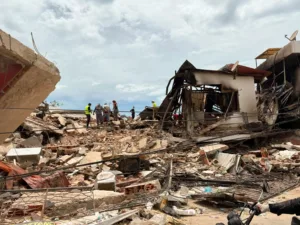
- Reported damages include partial collapse of the Santa Rosa de Lima church in Daanbantayan.
- Power outages affected neighborhoods in Daanbantayan and Bantayan.
- Aftershocks up to magnitude 5.2 were recorded 13 minutes after the main quake.
Breaking 🔥
6.9-Magnitude Earthquake Hits Philippines!
A powerful 6.9 quake struck near Bohol at 9:59 PM local time, rocking Cebu, Leyte, and Biliran.
Buildings, including a historic church, collapsed; power outages reported. Several deaths confirmed.
Tsunami alert lifted pic.twitter.com/kuzgXyBdst— Asian Observer 🌏 (@AsianObserverAO) September 30, 2025
Initial damage assessment
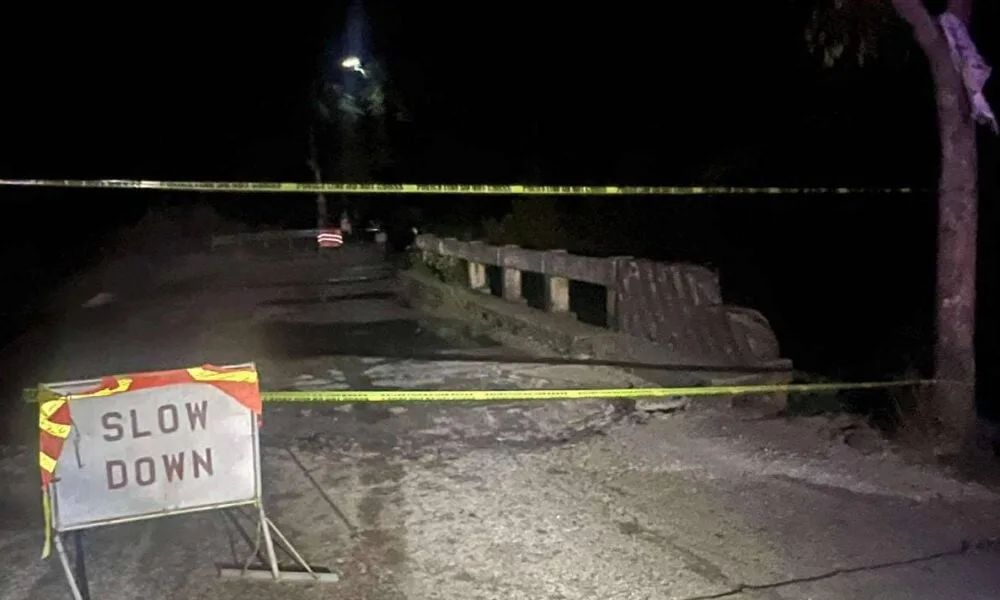
Philippine authorities began inspections of bridges and highways on Bantayan island, where cracks appeared after the tremor. A local educational center reported wall fissures, and engineering teams cordoned off the area for analysis. The Visayan Electric Company confirmed automatic blackouts in parts of the Cebu-Negros-Panay grid.
The Archdiocesan Shrine of Santa Rosa de Lima, built in 1858, suffered a partial collapse of its side structure, though the saint’s image remained intact. Residents of Bogo, a city of over 90,000 near the epicenter, reported creaking sounds from old buildings. No serious incidents were noted in hospitals in the early hours of Wednesday.
Reactions from residents and workers
In Cebu City, shopping mall employees evacuated during the event, with reports of a small fire in a fast-food restaurant. A Bantayan resident in the town square observed stones falling from a church without injuring pedestrians. Limited mobility hindered initial actions for some, who waited out the tremors in safe positions.
Security camera footage captured pets and pedestrians running in the streets of Sawang Calero, showing the local intensity. An online streamer recorded the quake live, with shelves toppling in the studio. Rescue teams prioritized commercial buildings, where broken glass was the most common damage.
Safety measures implemented
The Volcanology Institute issued bulletins for aftershock monitoring, detecting at least 16 secondary tremors above magnitude 2 in the following hours. The National Grid Corporation of the Philippines activated power grid separation protocols in Leyte, Samar, and parts of Bohol. Schools in Lapu-Lapu, Talisay, and Mandaue suspended classes on Wednesday for inspections.
Recommendations include avoiding coasts until sea stability is confirmed, focusing on potential strong currents. Hospitals in Cebu bolstered medical supply stocks, and 24-hour emergency communication lines are operational. The National Disaster Coordination Agency is organizing the dispatch of tents for temporary shelters in affected areas.
Regional seismic history
The Philippines, located in the Pacific Ring of Fire, experiences daily tremors due to tectonic plate convergence. In July 2022, a magnitude 7 quake in the central region caused five deaths and 60 injuries, damaging wooden homes. December 2023 saw another magnitude 7 event in the south, resulting in one death and thousands evacuated, highlighting vulnerabilities in older structures.
The shallow 10 km depth of the 2025 quake amplified its impact in Cebu, similar to past patterns. Geological studies indicate that the Visayas region records about 20 quakes above magnitude 5 annually, with a focus on stricter building codes since 2010. The country, hit by 20 typhoons yearly, integrates earthquakes into urban resilience plans.
Infrastructure affected by aftershocks
Aftershocks continued into the early hours of October 1, with the strongest at magnitude 5.2, 22 km from Bogo. The power grid in Daanbantayan remained down, affecting 10,000 homes, per preliminary estimates. Highways in Bantayan were partially closed due to minor landslides, with maintenance teams clearing debris.
A Cebu mall reported a partial facade collapse, leading to the evacuation of 200 people. The National Historical Commission advised removing fragile objects from damaged churches. Drinking water supply remains normal, but reservoir inspections were conducted to prevent contamination.
Preparations for secondary events
Federal authorities allocated resources for 24-hour monitoring, with drones assessing remote areas of Leyte. Cebu City’s population, estimated at 1 million, receives updates via official apps. Quarterly evacuation drills since 2020 aided swift responses during the event.
- SMS alerts reached 500,000 users in Visayas.
- Mobile health posts activated in Bantayan and Daanbantayan.
- Coordination with NGOs for emergency kit distribution.
The Cebu provincial government plans to audit 80% of public structures by week’s end. Seismology experts predict a gradual decline in aftershocks within 48 hours, based on regional patterns.