



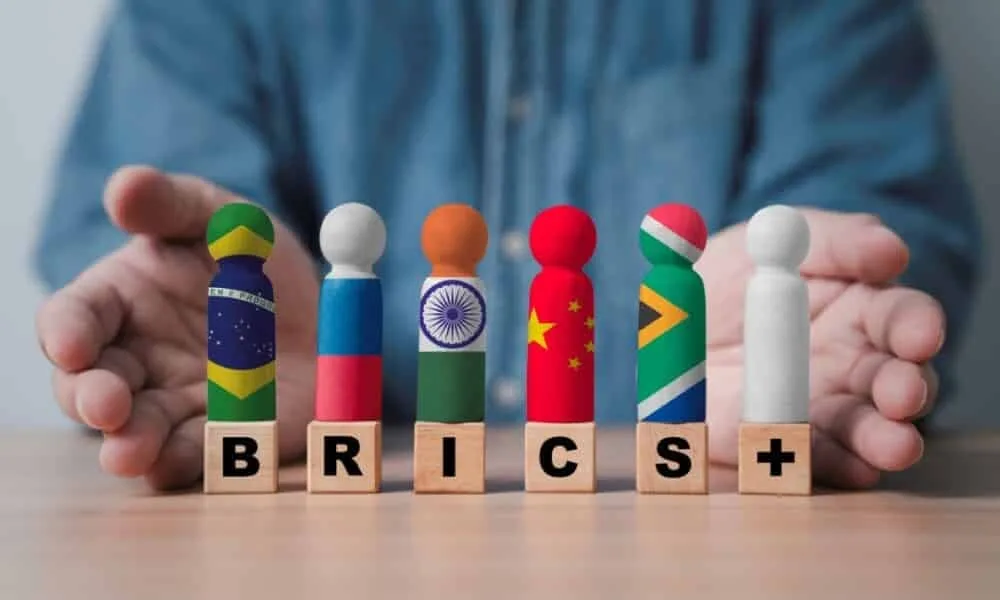

BRICS – Foto: Dilok Klaisataporn / istockphoto
The BRICS countries, a group formed by Brazil, Russia, India, China, South Africa and new members such as Egypt and Saudi Arabia, are intensifying negotiations to launch their own currency aimed at internal trade, with a target for implementation by 2026. The initiative, discussed at the Rio de Janeiro summit in July 2025, seeks to reduce dependence on the dollar, which registered a price of R$5.38 in August 2025, and strengthen the bloc’s economic sovereignty. Led by Brazil, the proposal responds to geopolitical tensions and US dominance in the global financial system. Experts highlight that the project faces technical challenges, but is already showing concrete progress.
The proposal gained prominence after President Luiz Inácio Lula da Silva defended, on August 12, a payment system that eliminates conversion to the dollar. The block, which represents 46% of global GDP in purchasing power parity, is betting on technologies such as blockchain to enable fast transactions. The initiative does not intend to replace the dollar globally, but to create an efficient alternative for intra-bloc trade.
- Main objectives of the project:
- Reduce international transaction costs.
- Protect against financial sanctions.
- Promote local currencies in commerce.
- Expand economic integration.
The advance comes amid dollar volatility and the expansion of BRICS, which now includes 19 countries.
Payment system in focus
The BRICS Pay platform, under development, is central to the project. It will allow direct transactions in local currencies, such as reais, yuan and ruble, without conversion to dollars. In 2025, 90% of intra-bloc trade will already take place in local currencies, compared to 65% in 2023, according to data from the SWIFT network.
Brazil, with experience in Pix, leads the creation of a digital system inspired by central bank currencies (CBDCs). The proposal includes pilot tests between Brazil, China and Russia in 2026, with a focus on efficiency and safety.

International reactions to the project
The initiative faces resistance from the United States. In July 2025, former President Donald Trump threatened to impose tariffs of up to 100% on BRICS products if the currency advanced. He classified the project as a threat to the dollar, which dominates 84% of global transactions.
Lula reiterated that the proposal is not anti-American, but aims for greater financial autonomy. China, with the yuan accounting for 50% of the bloc’s transactions, supports the initiative, but tensions with India make agreements difficult.
The project also reflects concern about financial sanctions, such as those applied to Russia after 2022. An alternative system would protect the bloc against external instability.
Proposed models for the currency
The BRICS evaluates three formats for the new currency: a digital system based on CBDCs, a model linked to commodities such as gold and oil, or a unit of account inspired by the IMF’s Special Drawing Rights (SDR).
The BRICS Pay platform will use blockchain for fast, low-cost transactions. The bloc’s central banks are already testing digital currencies, with China leading the implementation of the digital yuan.
The New Development Bank (NDB), chaired by Dilma Rousseff, finances projects in local currencies, supporting the transition. Around US$30 billion was released by the NDB in 2024, according to bank reports.
Barriers to implementation
Financial integration faces significant obstacles. Economic differences between members, such as Chinese dominance in trade, raise fears of imbalances. Harmonization of monetary policies is another challenge, especially between China and India.
- Main barriers identified:
- Political differences in the bloc.
- Macroeconomic instability in some countries.
- Resistance from the private sector.
- Complexity of multilateral agreements.
Brazilian exporters fear losing flexibility in gl transactionsobais, while central banks need to create mechanisms to avoid debt in the system.
Advances in local commerce
While the currency is not implemented, BRICS has already adopted alternative measures. Bilateral agreements, such as between Brazil and Argentina, allow payments in reais and pesos. The NDB expanded financing in local currencies, reducing dependence on the dollar.
The Kazan summit, in 2024, consolidated the BRICS Bridge, a digital payments system that will serve as the basis for BRICS Pay. The accession of new members, such as the United Arab Emirates, strengthens the bloc’s influence.
Global financial scenario
The proposal reflects growing global monetary diversification. IMF data shows that dollar reserves have fallen by 5% since 2020, with currencies such as the yuan gaining ground. The volatility of the dollar, recorded at R$5.38 in August 2025, reinforces the search for alternatives.
BRICS also responds to the “armamentalization” of the dollar, used by the USA to impose sanctions. A proprietary system would reduce transaction costs by up to 20%, according to estimates, and increase the competitiveness of the bloc’s exports.